Before/After work appointments available

Chessington Dental Practice Blog

Tooth Loss and Dementia: The Link

teeth health smile dentist Researchers at Kyushu University in Japan have recently discovered a link between tooth loss in an elderly person and risk of developing dementia in the near future.
Key Takeaways:

- People with only 10-19 of their original teeth left are at 62% greater risk of developing dementia in the next 5 years -- compared to people with more of their original smile intact. People with only 1-9 teeth left were at 81% higher risk.

- Scientists suspect that chewing (and the salivation that comes with it) stimulates blood flow to the brain, leading to slower mental decay.

- This means that visiting a dentist regularly is more important than ever as you age, and that choosing a good dentist who you can trust will improve your quality of life in a multitude of ways beyond keeping your smile looking pretty.

"Gum disease can be controlled through regular brushing and mouthwash treatments, and experts say keeping up with dental health could be an easy way of lessoning the impact of Alzheimer?s."

Read the rest of the story here.

Gum Disease Prevention Tips

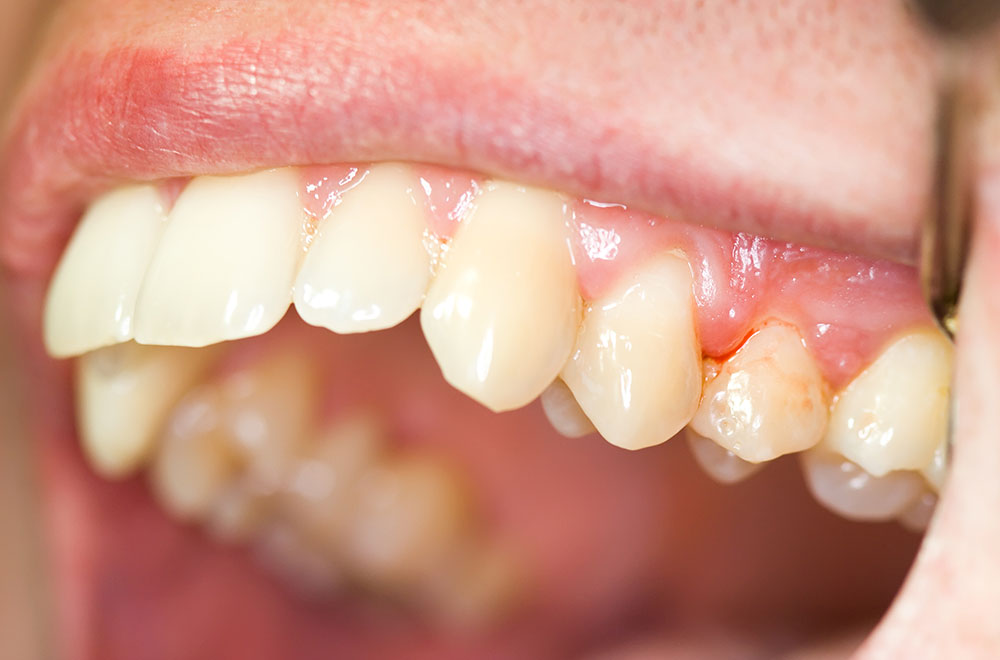
smile health beauty teethGum disease is an inflammatory condition caused by an excess amount of plaque sticking to the teeth on and below the gum line. It is characterised by red and sensitive gums. Bleeding will often occur when one brushes or flosses.

If left untreated, this condition can evolve into periodontal disease; a much more serious situation. What are some of the best ways to prevent gum disease and ensure a healthy lifelong smile?

-In order to avoid trips to the dentist, it is wise to brush at least twice a day.
-It it best to eat foods high in vitamins and minerals. These substances will provide the nutrients required to maintain healthy gums and a bright smile.
-Anyone suffering from this condition should seek out the advice of a professional dentist.

"Gum disease occurs when biofilms, or plaque, stick to the surface of teeth."

http://www.yourwellness.com/2017/02/gum-disease-can-fix/

Tips to Combat Bad Breath

smile health dentist teethBad breath is something that affects us all at one point or another. There are many reasons why we suffer from bad breath: from our diet, to smoking habits, to internal digestive issues. Hectic work lifestyles often make it difficult to give the issue the care and attention it deserves. Mouthwash merely hides the problem but does nothing to address the root cause.


If halitosis is an on-going issue, here are a few dentist recommended lifestyle changes to address the issue and put a smile on your face.

Key takeaways:

- Your tongue is a hot-bed of bacteria. Regular brushing of your teeth is not enough. Your tongue requires regular and careful cleaning as well.
- Water is your friend. Caffeine based drinks like tea and coffee dry your mouth out which promotes the development of bacteria. Regular hydration of your mouth is essential to produce enough saliva to deal with the bacteria.
- You should brush after every meal. The idea of brushing twice a day for a perfect smile is terribly outdated. Your mouth is at greater vulnerability during and after eating, so you should brush your teeth after every meal to promote good oral health.

If the issue remains after following these tips then there may be a deeper underlying issue and you should visit your dentist, but always remember, reaching for that mouthwash isn't a long term solution.

Read more: http://www.birminghammail.co.uk/news/health/getting-rid-bad-breath-smell-12481756?service=responsive

When To Receive Anitibiotics Before Dental Treatment

teeth health smile dentist

Following extraction of teeth or treatment for gum disease, bacteria from the mouth can enter the bloodstream causing "infective endocarditis" which affects the heart's valves. So extra precautions are needed before working on your smile.

You might need antibiotics if:

-You have had any form of heart surgery including valve replacement or transplant
-You have any heart defects or heart conditions
-You have had any joint surgery or joint replacement

You can still enjoy a perfect smile, just make sure that you discuss your medical history before treatment.
"Talk to your dentist about whether or not you should receive antibiotics before your procedure".

Read more:

http://yourdentalhealthresource.com/when-to-receive-antibiotics-before-dental-treatment/

How Running Can Damage Your Teeth

teeth health smile dentistPhysical activity is important for a fit and healthy body as well as mental well-being. However, a Swedish study in 2014 has highlighted the increased risk of damaged teeth and dental erosion faced by athletes. From the report, it would seem that extra oral care is needed if we are not to jog our way into the dentist?s surgery.
On the bright side, there are a few simple steps that can be taken to protect our teeth and smile:

- Remain Hydrated. Drink plenty of water before any physical exercise and top up during the workout and after to assist in the production of saliva.

- Reduce Sugar. Replace sweet drinks with sugar-free mints or chewing gum as sugar encourages the growth of bacteria.

- Brush and Floss. Brushing and flossing is a good idea after a strenuous workout.

Following these basic guidelines will avoid most problems and give you reason to smile. As cosmetic dentist Dr. Jessica Emery points out ?Oral hygiene is something everyone needs to take seriously? and you can read more at

https://www.yahoo.com/beauty/the-unexpected-way-running-affects-your-teeth-92637973678.html.

Advice for Your Child?s Dental Health

teeth health smile dentistIt is a little-known fact that dental cavities are one of the most common childhood diseases. Young children are prone to suffering from cavities. Yet the disease is almost totally preventable.

From the youngest infant right up to adolescence, proper care of the teeth and gums is essential if problems are to be avoided. Following some simple guidelines will ensure your child has good reason to smile.

- Infants. After feeding, a baby?s mouth should be gently wiped out with a warm, moist cloth and babies should never be put to bed with a bottle. Even if your child exhibits no signs of discomfort a visit to the dentist should be scheduled within the first twelve months.

- Toddlers. Teeth should be brushed twice a day with a small amount of fluoride toothpaste. Sugary drinks are to be avoided with small amounts of fresh juice or water a far better alternative. Similarly, snack foods and cookies should be substituted with fruit, vegetables, cheese and nuts. Regular visits to the dentist are extremely important during this time and should be scheduled for every six months.

- Older Children. Educating your child in the correct way to brush and floss is key to avoiding cavities and other dental problems. Spend time showing your child how it is done properly and offer encouragement not criticism. The reward of a beautiful smile makes the effort worthwhile.

?Putting the proper procedures in place at an early age will avoid problems further down the line.?

You can read the full article here:

http://www.craigdailypress.com/news/2017/feb/12/thoughtful-parenting-february-national-childrens-d/.

You Can Improve Your Smile and Boost Your Confidence

teeth health smile dental diabetes teethwhiteningYour smile can affect your confidence level. It is the first thing that people see on you. A damaged smile will therefore lower your sense of confidence.

Key takeaways:

- Teeth whitening will get rid of the yellow or slightly brown color on your teeth -- to give you a bright white smile

- Get dental implants to replace teeth that have fallen out. Implants are the best choice compared to dentures.

- Dental bonding will deal with chipped or uneven teeth to ensure a great smile.

Dental crowns are another great choice for improving your smile?these are best for broken teeth or teeth that have unusually large cavities.

Read the full story here

http://yourdentalhealthresource.com/its-never-too-late-to-improve-your-smiles-appearance/

Dental Implants Require Consistent Care

teeth health smile dentistCare for your dental implants is straightforward but requires consistency. After all, you want to maintain your nice smile and enjoy the natural look for many years.

Key takeaways:

- After getting dental implants, carefully follow your dentist?s instructions.

- Clean your implants by brushing gently with a soft bristled brush. Do not forget to floss.

- Flossing around the implant should be diligent to ensure that food trapped between the crown and implant is removed.

Taking care of dental implants is simple, but requires that you remain consistent in your care. Your dentist can help navigate your care once your dental implants are complete.

Read the full story here

http://yourdentalhealthresource.com/how-to-best-take-care-of-your-new-dental-implants/

Is It Worth Getting Custom Mouthguards?

teeth health smile dentistMouthguards have a bad reputation as being bulky and uncomfortable. While store-bought mouthguards may be inexpensive, they do not fit well.

Key takeaways:

- Custom mouthguards fit much better, and effectively reduce discomfort and damage to the teeth.

- Custom mouthguards enhance protection of every tooth.

- An poor-fitting mouthguard will affect your breathing, especially when participating in sport. A custom-fitted mouthguard works much better.

"With custom-fitted mouthguards, the discomfort is gone, the protection is there, and you can breathe better. This is because this mouthguard was made specifically for you."

Read the full story here

http://yourdentalhealthresource.com/custom-mouthguards-are-they-really-worth-it/

The Number of Lost Teeth Can Determine Longevity

 teeth health smile dentistNew research findings reveal that tooth loss could predict how long you are going to live. Tooth loss has been associated with how bad you're taking care of your health.

Key takeaways:

- Those people who still have their entire set of teeth at 74 years of age are most likely to reach the ripe age of 100 years.

- Stress, including lifestyle choices, social and emotional stress, chronic diseases, and genetic disorders were identified as the major factor behind tooth loss.

- Tooth loss has many causes -- smoking, trauma or poor oral hygiene. Gum disease is another cause, and is closely linked to heart disease, diabetes and other chronic health problems.

Read the full story here

https://www.thescottishsun.co.uk/living/510746/how-the-number-of-teeth-youve-lost-can-determine-how-long-you-will-live/

Newer posts →’ Blog - Home ← Older posts
Teoxane Nobel Biocare Osstem Zoom! Whitening Enlighten Inman Aligner Invisalign