
Different Options in Dental Implants
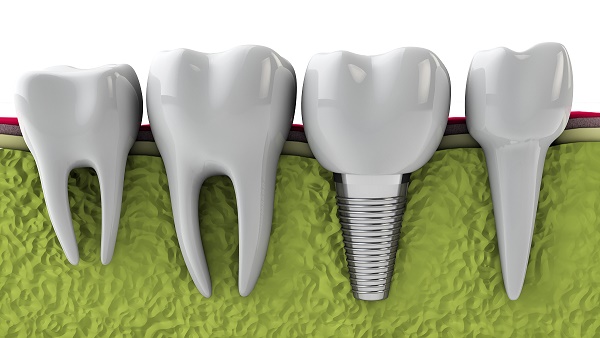 Dental implants are the most common option when it comes to replacing missing teeth. Nowadays, there are several varieties to choose from. Your dentist will advise you which one is best in your particular case.
The main types of implants are:
- Endosteal implants are usually the best option for most patients.
- Subperiosteal implants use a frame on the jawbone rather than an embedded post.
- Implant-supported dentures are for patients missing most or all of their teeth.
- Mini Dental implants for people who don’t have enough bone in their jaw.
In the end, you will have a beautiful implant – an artificial tooth – that matches your natural teeth. Dental implants will last a very long time if you practice good oral hygiene.
Further information can be found at http://yourdentalhealthresource.com/are-there-different-types-of-dental-implants/.
 It has been known for some time that stem cells can be used to replace or repair damaged tissues. There may indeed come a day when dentist utilises these modern powerhouses to treat ailments and even to grow new teeth. What are some recent advancements worth noting?
 Although no direct link has been proven between gum disease (periodontitis) and Alzheimer’s, researchers now believe there is a relationship between the two. Researchers estimate that people with long-term chronic gum disease are 70% more likely to develop Alzheimer’s disease than those with healthy teeth and gums.
  A team of researchers have studied mice with diabetes and found an association between changes in bacteria in the mouth and the development of gum disease.
  The oral cancer screening process is simple. During teeth checkup, your dentist will check the lips, tongue, throat and neck for symptoms. So what is the right age to start screenings?
 Teeth grinding affects adults and people in their teens alike. Here's an overview of the most common causes.