
Is teeth sensitivity permanent?
Category: General | Published: 15 March 2018 19:03

People with sensitive teeth experience discomfort and pain when they eat or brush their teeth. Can sensitivity be treated and how long is the healing process?
Key points:
- Sensitivity is temporary if it due to dental procedures like root canal therapy and placing of veneers.
- Your sensitivity might need treatment if caused by teeth grinding, gum disease, whitening and aggressive brushing.
- Prevent sensitivity by using a fluorinated toothpaste and soft-bristled toothbrush to clean your teeth.
Visit your dentist to establish causes of your sensitivity and possible treatments.
Learn more here:
https://yourdentalhealthresource.com/can-teeth-sensitivity-go-away-over-time/

 People with burning mouth syndrome experience a burning sensation in the tongue or lips that lasts for months and sometimes years. A recent study investigated the use of Botox to treat this painful condition.
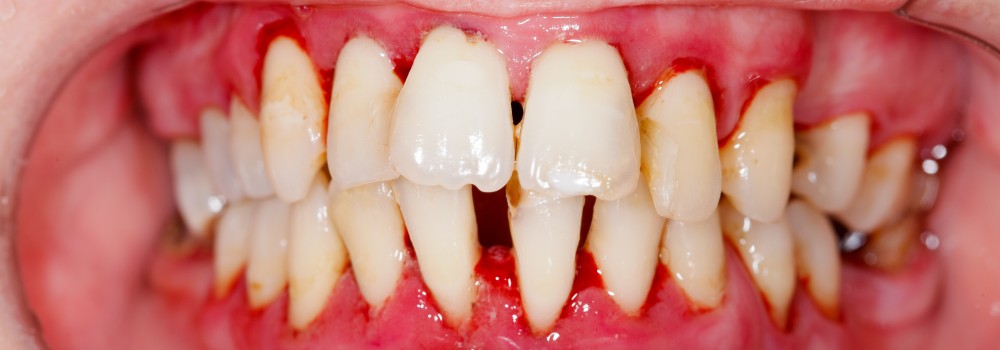 Temporomandibular joint disorders (TMJ) are common but are more common in women than men. TMJ disorders impact the jaw joint and muscles that control the jaw and can be difficult to diagnose.
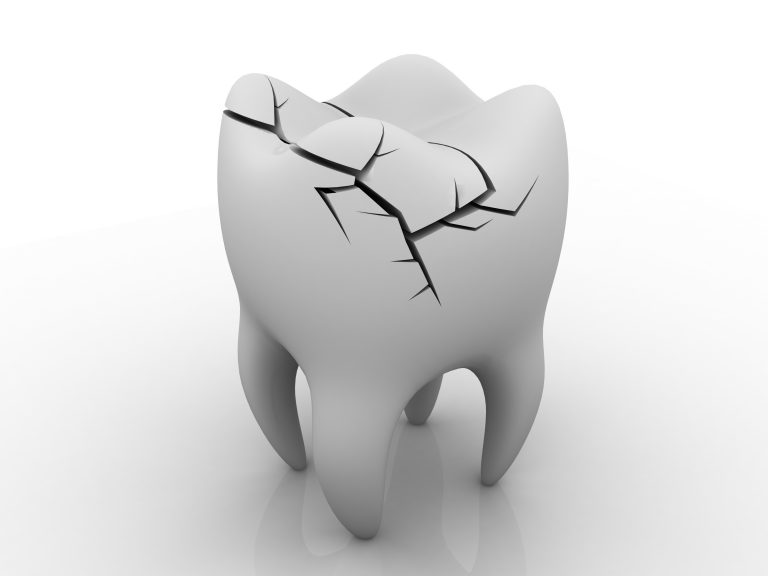 Our teeth can suffer from injuries or cavities that cause them to die. Symptoms include discolouration and pain. A professional dentist will be able to provide an accurate diagnosis. How will the dentist treat a dead tooth once it has been discovered?
 Promoting positive dental habits in your children from an early age establishes a solid routine to last a lifetime.
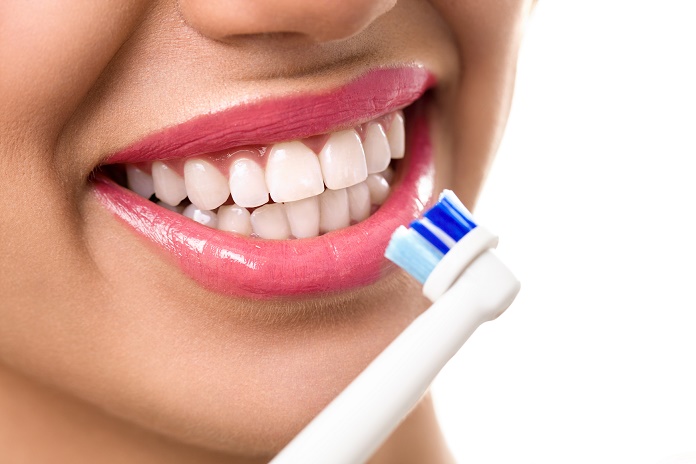 It is possible that you have been brushing your teeth the wrong way. Even people who have long brushing sessions are surprised when the dentist diagnoses dental problems like gum disease.
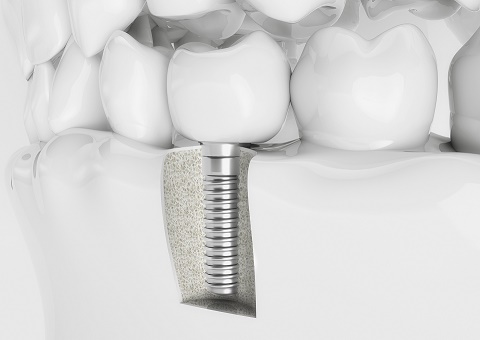
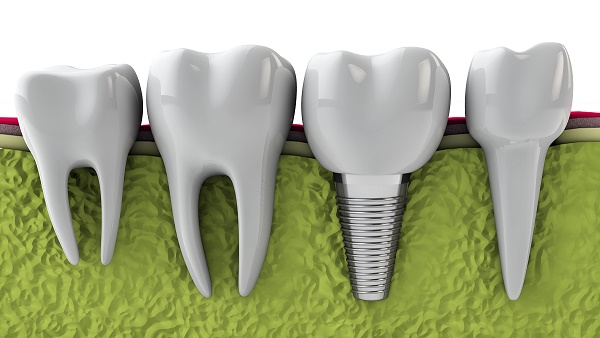 Dental implants are the most common option when it comes to replacing missing teeth. Nowadays, there are several varieties to choose from. Your dentist will advise you which one is best in your particular case.
 It has been known for some time that stem cells can be used to replace or repair damaged tissues. There may indeed come a day when dentist utilises these modern powerhouses to treat ailments and even to grow new teeth. What are some recent advancements worth noting?
 Although no direct link has been proven between gum disease (periodontitis) and Alzheimer’s, researchers now believe there is a relationship between the two. Researchers estimate that people with long-term chronic gum disease are 70% more likely to develop Alzheimer’s disease than those with healthy teeth and gums.