
Do You Require a Dental Implant?
Category: General | Published: 17 January 2017 06:01
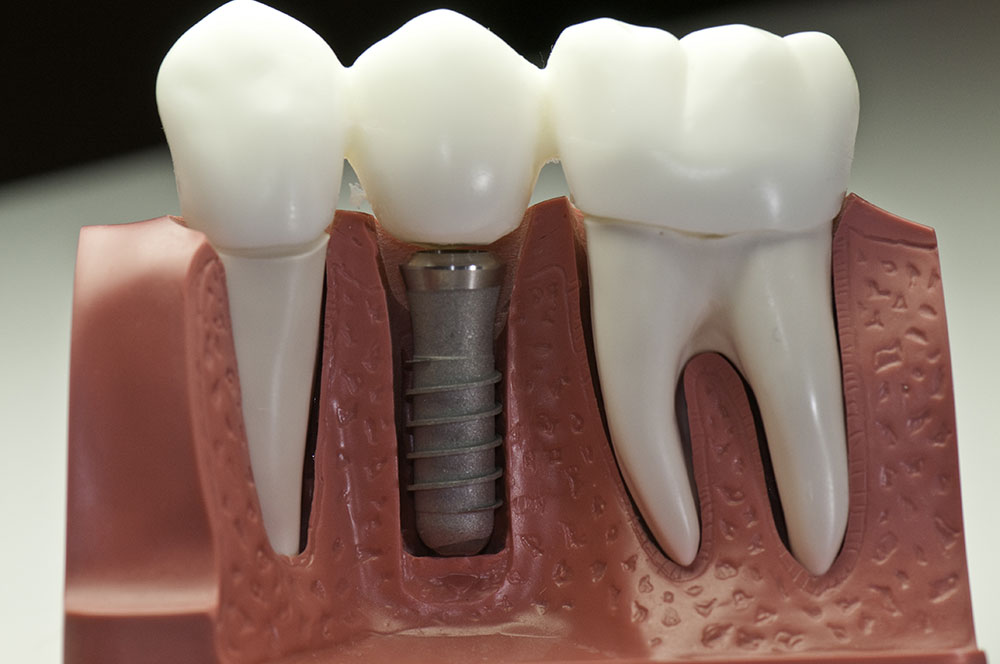 Dental implants are considered the best possible replacement for missing teeth. The implants are permanently affixed to the jaw bone.
Key takeaways:
- Dental implants are one way of replacing missing teeth and getting back your smile.
- The single most important requirement for dental implants is to have a healthy jaw bone.
- Implants will benefit people of all ages and especially people who can no longer wear removable dentures.
According to the American Academy of Implant Dentistry, an implant acts as an anchor for a crown or a set of replacement teeth.
Read the full story here
https://consumer.healthday.com/dental-and-oral-information-9/misc-dental-problem-news-174/health-tip-do-you-need-a-dental-implant-521755.html
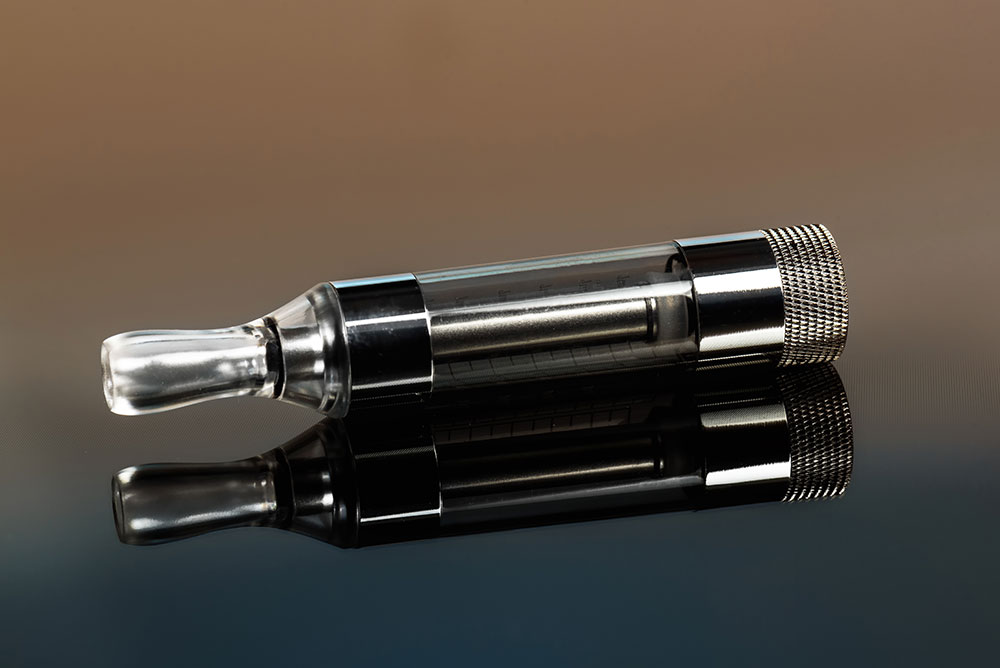 Steer clear of e-cigarettes as they are now believed to cause oral health problems. More and more studies are revealing the real extent of health problems linked to e-cigarettes.
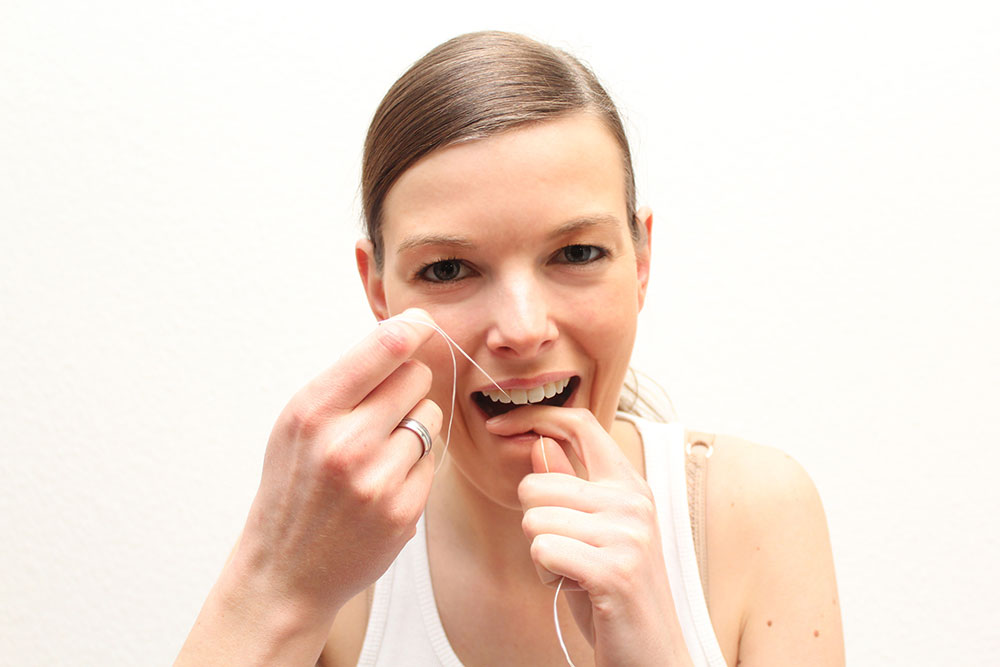 You may be flossing your teeth the wrong way. Follow these instructions to ensure you are flossing teeth properly.
 Recent scientific breakthrough will leave people smiling. People can save their teeth through use of a drug meant for Alzheimer?s disease.
 You can prevent the damage caused by alcohol to the teeth by brushing your teeth. Brushing should only be done after 30 minutes or so after drinking to protect tooth enamel.
 Jaw clenching and teeth grinding are habits that cause chipped and fractured teeth. You can get rid of teeth grinding by eliminating or managing stress.
 Jaw clenching is the cause of a sore jaw and may even lead to the dislocation of the temporomandibular joint. You may also experience clicking and locking of the jaw.
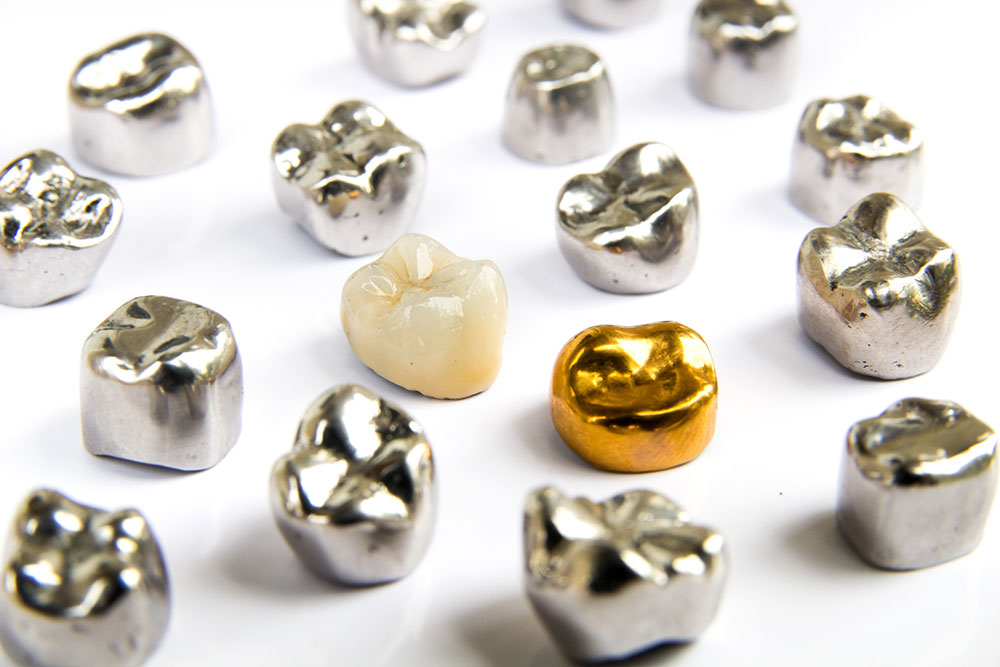 As rule, you should not eat food while wearing the grills. After all, grills were not meant to worn at all times.
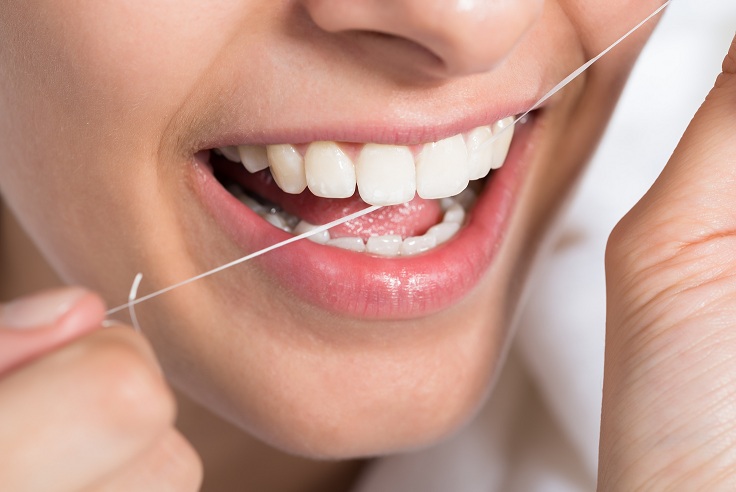 Dental professionals differ in their opinions about flossing. Their differing opinions rest on whether flossing should come before or after brushing teeth.